Teaching practice categories
Whole-of-school strategies
Whole-of-school strategies
School leaders understand that an inclusive school culture requires clear communication, respect, openness, fairness, and accountability. These strategies support a whole-school approach to developing and maintaining an inclusive culture that will benefit your entire school community.

Using UDL in planning
TEACHING PRACTICE
For student years
Helps students to
- engage in learning
- improve learning outcomes

Working in partnership: Relationships, shared goals and communication
TEACHING PRACTICE
For student years
Helps students to
- participate in inclusive culture
- feel supported

Establish collaborative partnerships - Collaborative Partnerships in Action
TEACHING PRACTICE
For student years
Helps students to
- feel connected
- develop positive relationships
Early Childhood
Early Childhood
Discover a range of evidence-based practices and resources for early childhood educators aimed at creating inclusive learning environments. Practice topics cover classroom management and sensory considerations to social/emotional wellbeing, behavioural supports, and more.

Teach self-regulation (Early Childhood)
TEACHING PRACTICE
For student years
Helps students to
- regulate their feelings
- regulate their behaviour
- feel safe, confident and included
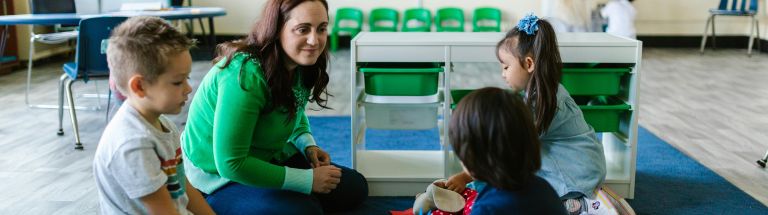
Model positive interactions (Early Childhood)
TEACHING PRACTICE
For student years
Helps students to
- build social-awareness
- interact with others
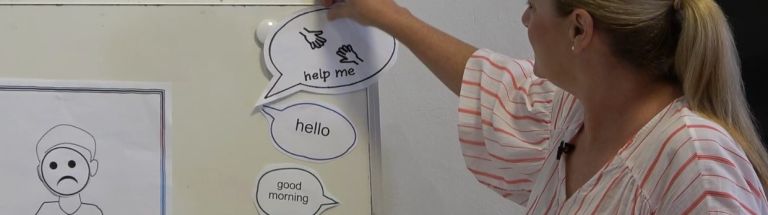
Model emotional literacy (Early Childhood)
TEACHING PRACTICE
For student years
Helps students to
- feel secure and included
- identify and respond to emotions
- regulate emotion
Primary School
Primary School
Discover a range of evidence-based practices and resources for primary school educators aimed at creating inclusive learning environments. Practice topics cover classroom management, adjustments and scaffolds, sensory considerations, social/emotional wellbeing, behavioural supports, and more.

Use visual self-management tools
TEACHING PRACTICE
For student years
Helps students to
- build greater independence
- maintain on-task behaviour
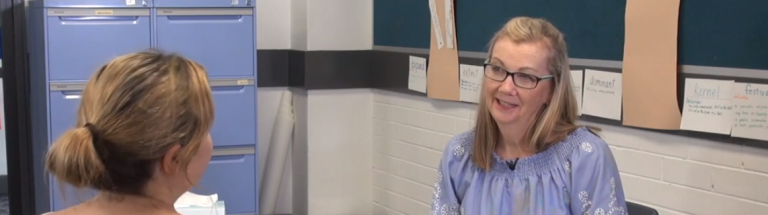
Share information through home–school communication
TEACHING PRACTICE
For student years
Helps students to
- be supported across settings
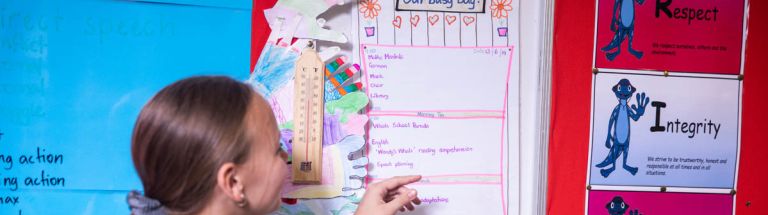
Use visual schedules
TEACHING PRACTICE
For student years
Helps students to
- transition smoothly
- understand expectations
- learn new concepts
Secondary School
Secondary School
Discover a range of evidence-based practices and resources for secondary teachers aimed at creating inclusive classrooms for diverse learners, including students on the autism spectrum. Practice topics cover classroom management and sensory considerations to social/emotional wellbeing, behavioural supports, and more.

Use visual self-management tools (Secondary)
TEACHING PRACTICE
For student years
Helps students to
- build greater independence
- maintain on-task behaviour

Share information through home–school communication (Secondary)
TEACHING PRACTICE
For student years
Helps students to
- be supported across settings

Foster school connectedness using the WISE model (Secondary)
TEACHING PRACTICE
For student years
Helps students to
- increase self-esteem
- improve resilience
- increase school connectedness