Explore the teaching practices below to see how they can help you to deliver student outcomes and meet your professional learning needs.

Use visual self-management tools
TEACHING PRACTICE
For student years
Primary
Helps students to
- build greater independence
- maintain on-task behaviour
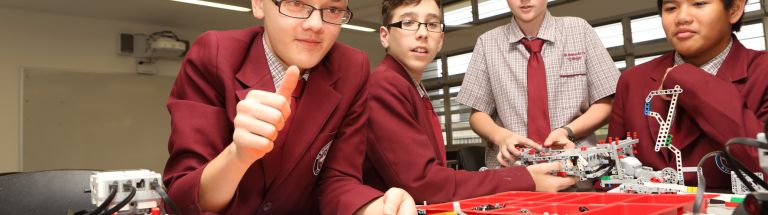
Negotiate, resolve conflicts: Robotics social clubs
TEACHING PRACTICE
For student years
Years 7 to 12
Helps students to
- suggest solutions
- compromise
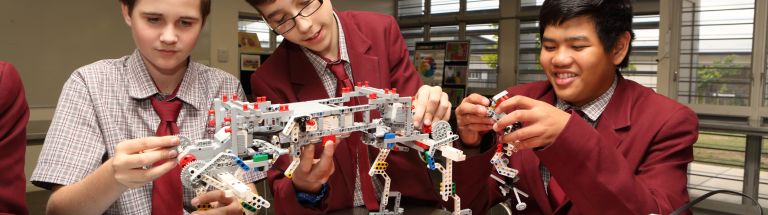
Improve teamwork skills: Robotics social clubs
TEACHING PRACTICE
For student years
Years 7 to 12
Helps students to
- collaborate
- express ideas
- compromise

Teach self-regulation (Early Childhood)
TEACHING PRACTICE
For student years
Early Childhood
Helps students to
- regulate their feelings
- regulate their behaviour
- feel safe, confident and included
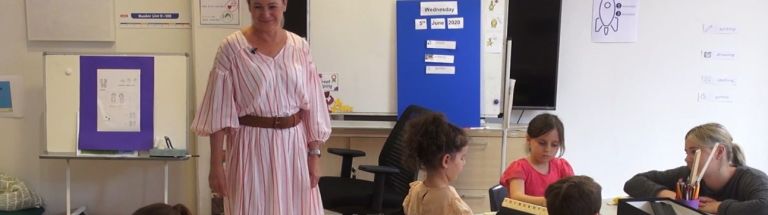
Teach self-regulation
TEACHING PRACTICE
For student years
Primary
Helps students to
- regulate their feelings
- regulate their behaviour
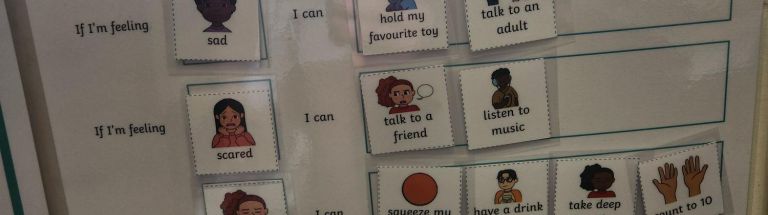
Model emotional literacy
TEACHING PRACTICE
For student years
Primary
Helps students to
- identify and respond to emotions
- regulate emotions
Provide feedback on learning & behaviour
TEACHING PRACTICE
For student years
Primary
Helps students to
- stay motivated
- remain on-task for longer
- feel valued

Understanding and supporting comprehension
TEACHING PRACTICE
For student years
Primary
Helps students to
- engage in learning
Embed opportunities for choice making (Secondary)
TEACHING PRACTICE
For student years
Secondary
Helps students to
- make decisions
- build independence